Hantavirus Guide: Symptoms & How to Stay Safe
Hantavirus in India: MVHondius cruise, mode of transmission, symptoms, and preventive measures

There is sudden attention to the virus outbreak, which has taken over every news headline and most discussed topic. In May 2026, the outbreak of Andes hantavirus was reported abroad; the Dutch-flagged MV Hondius cruise ship with two Indian crew members got attention on an international level. Since then, hantavirus in India has become a globally viral topic. This virus is not something new that has occurred, but this incidence has made them back on the clinical radar.
What is Hantavirus?
Hantavirus is a zoonotic virus that mostly affects the rodent family and is occasionally transmitted to humans. Hantavirus belongs to the family Hantaviridae.
What happened on MV Hondius?
The MV Hondius left Argentina on a voyage across the South Atlantic Ocean. By early April 2026, several passengers on board had fallen very ill. The World Health Organisation confirmed an outbreak of the Andes virus (a South American strain of hantavirus and the only one known to be able to spread between people) as of 4 May 2026.
Till now, the WHO has stated that Andes virus infection has been confirmed in 11 cases and from that, 3 have reported death from the infection. The only 2 Indian national crew members who were affected were not related to the community and were not part of the community spread in India, according to Dr Naveen Kumar, director, ICMR-NIV.
How is hantavirus transmitted to humans?
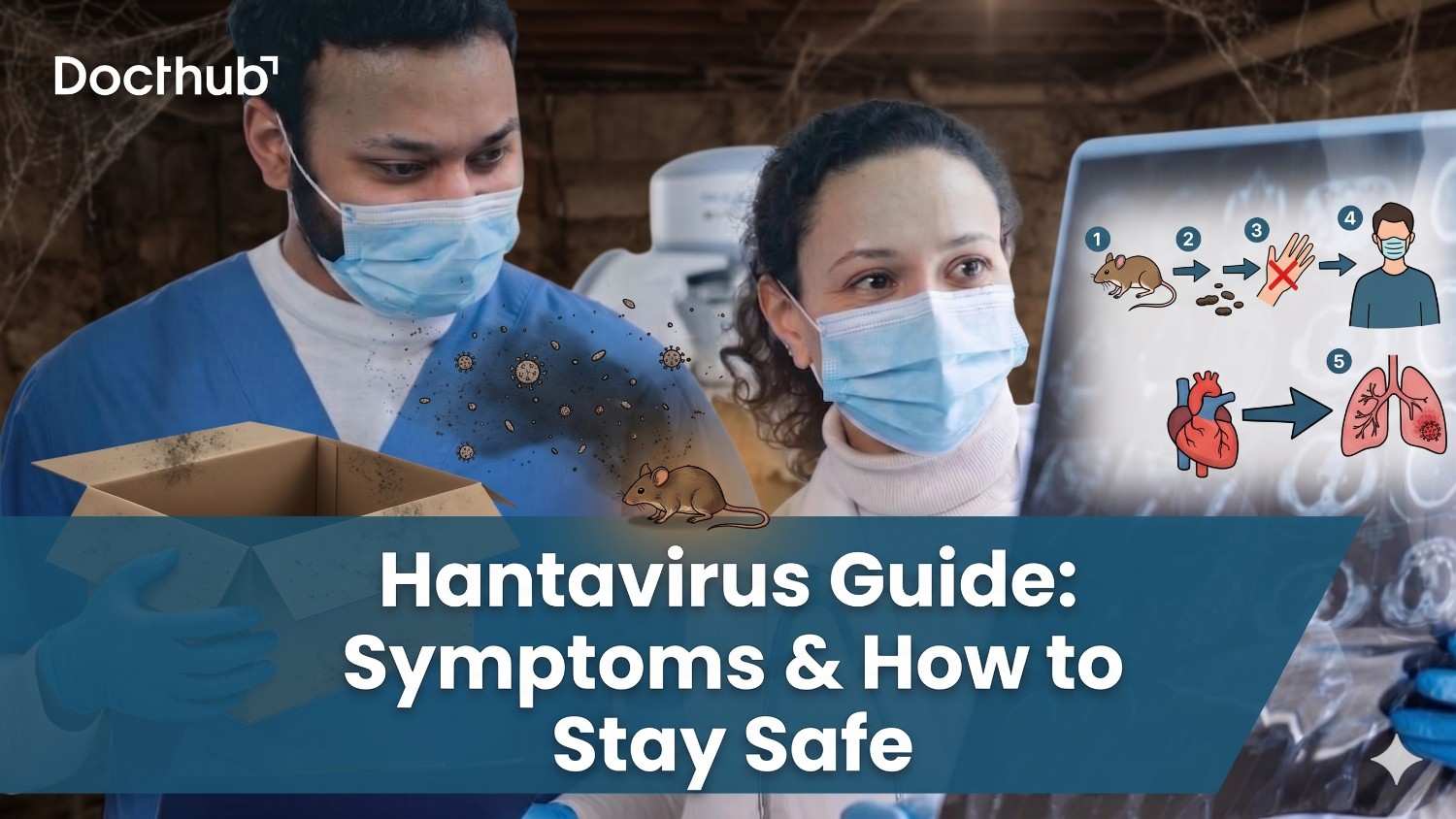
The hanta virus primarily lives in rodents, including mice, rats, and squirrels, rather than relying on human contact to spread like other viruses (such as COVID-19 or influenza). The infection occurs when a human inhales an aerosol released from rodent urine, droplets, or slobber.
The Andes virus, the South American strain of the virus, which is the recent outbreak, is the only strain reported to have limited human-to-human transmission.
Epidemiological context for India
In 1964, the Thottapalayam virus (TPMV) was found in shrews and is the only hantavirus discovered at the time at the Christian Medical College (CMC), Vellore. Rodents are the hosts for the third and fourth largest genomes of the other two strains – Hantaan, Seoul, and Thailand viruses, respectively. The clinically recognised syndrome caused by these viruses is haemorrhagic fever, along with kidney disease, in Asia and Europe. In South India, a 2005 serum prevalence study revealed that there are infections in 5.2% of patients presenting with acute febrile illnesses.
Clinical manifestation of Hantavirus
How long does it take for hantavirus symptoms to show ?
Clinical manifestation and symptoms development usually occur within 1 to 8 weeks after being infected with the virus.
What are the symptoms of hantavirus infection?
The early phase appears with flu-like symptoms such as
- Fever, malaise, and chills
- Muscle aches
- Headache with fatigue
- Abdominal pain, vomiting
Those flu-like features lead to errors in diagnosis.
What is Hantavirus Pulmonary Syndrome (HPS) and haemorrhagic fever with renal syndrome?
During the late phase, the symptoms manifest seriously and aggressively, depending on which country the individual infected lives in.
| Location | In America | In Europe and Asia |
| Syndrome | Pulmonary syndrome | Haemorrhagic fever with renal syndrome |
| Strain | Sin Nombre, Andes, and related viruses | Hantaan, Seoul, and Thailand |
| Features | Cough, shortness of breath, accumulation of fluid in the lungs, and shock. | Low blood pressure, bleeding disorders, and kidney failure. |
Who is at major risk of infection?
High-risk groups include:
- Agricultural and farm employees who have regular exposure to rodents,
- Grain storage and warehouse employees,
- Flood-impacted residents or those living in substandard housing,
- Forested or tribal groups (e.g., Tamil Nadu's Irula),
- Anyone cleaning out areas formerly occupied by rodents.
How is Hantavirus infection treated?
There is no specific antiviral drug or vaccination available for this infection. Mainly, the treatment protocol includes clinical monitoring and supportive care for managing cardiovascular, respiratory, and kidney complications.
How to prevent and control the spread of Hantavirus?
The most effective measures to prevent contact with rodents and the risk of getting a hantavirus infection are through the following actions:
1) Do not sweep or vacuum droppings from rodents! This will kick up viral particles that are dry into the air, where they can be inhaled easily.
2) Spray with disinfectant! Spray both the droppings and the entire area where they are located properly with a commercially available disinfectant or diluted bleach solution (1 part bleach to 10 parts water) and keep it for 10 to 15 minutes to disinfect the area.
3) Clean-up phase: Use a PPE (personal protective equipment) kit to clean and manage saturated drops and keep them in a sealed container to prevent contamination.
4) Post-clean-up protocols: Wash your gloved hands before removing them, and then wash your bare hands with either soap and warm water or alcohol-based rub.
When there is an active outbreak (or when cases are suspected) of hantavirus, it is also important for the early identification and isolation of all cases, ongoing monitoring of all close contacts, and the use of standard infection control practices to prevent ”further transmission".
How is India monitoring the hantavirus?
The ICMR-NIV has confirmed that India has verification of surveillance capabilities for Hantavirus. Most of the country has RT-PCR confirmation through 165 laboratories in the national VRDL network. Two Indian nationals who are believed to be infected and part of the cruise are under monitoring.
Public health officials are conducting further serological tests and measures to confirm the level of hantavirus in India in areas of high exposure to the virus. The Indian Journal of Medical Research highlighted this gap in surveillance in 2021 and continues to do so in the current environment.
Yes, hantavirus is a major, serious issue – that needs attention for better prevention strategies – but it's not equivalent to a pandemic, as it does not spread through direct human contact. And the Indian strain has a low risk of infection outbreak as of May 2026. Stay updated with Docthub for more healthcare related news.
Source:
1. World Health Organization. Hantavirus Fact Sheet. Updated 6 May 2026. https://www.who.int/news-room/fact-sheets/detail/hantavirus
2. WHO Disease Outbreak News: Hantavirus cluster linked to cruise ship MV Hondius, May 2026. https://www.who.int/emergencies/disease-outbreak-news/item/2026-DON601
3. Jonsson CB, Figueiredo LTM, Vapalahti O. A global perspective on hantavirus ecology, epidemiology, and disease. Clin Microbiol Rev. 2010;23(2):412–441. https://doi.org/10.1128/cmr.00062-09
4. CDC. About Hantavirus. National Center for Emerging and Zoonotic Infectious Diseases. https://www.cdc.gov/hantavirus/about/index.html
5. ICMR-NIV Director Statement on Indian nationals, May 2026. Via Omnicuris Medical Updates. https://www.omnicuris.com/medshots/daily_updates/hantavirus-infection-risk-india-update
6. Chandy S, et al. Hantavirus disease in India. Indian J Med Res. 2005;122:474–
https://pubmed.ncbi.nlm.nih.gov/19237179/
FAQs
Q1. What is Hantavirus?
A. Hantavirus is a zoonotic virus that mostly affects the rodent family and is occasionally transmitted to humans. Hantavirus belongs to the family Hantaviridae.
Q2. How do humans catch Hantavirus?
A. The hanta virus primarily lives in rodents, including mice, rats, and squirrels. The infection occurs when a human inhales an aerosol released from rodent urine, droplets, or slobber.
Q3. What are the early symptoms of Hantavirus?
A. The early symptoms of hantavirus appear with flu-like symptoms such as fever, malaise, chills, muscle aches, headache, fatigue, abdominal pain, and vomiting.
Q4. How long does it take for Hantavirus symptoms to show?
A. Hantavirus symptoms usually develop within 1 to 8 weeks after being infected with the virus.
Q5. Can Hantavirus spread from person to person?
A. Only one strain – the Andes virus, found in South America – is known to spread between people, and even then, only through very close, prolonged contact. The strains found in India (Thottapalayam, Seoul, and Hantaan) have no documented person-to-person spread.