B.Sc. Respiratory Therapy Course Details: Salary, Fees & Scope
A growing healthcare field, B.Sc. Respiratory Therapy prepares students to diagnose and treat breathing issues, offering strong career scope and stability.

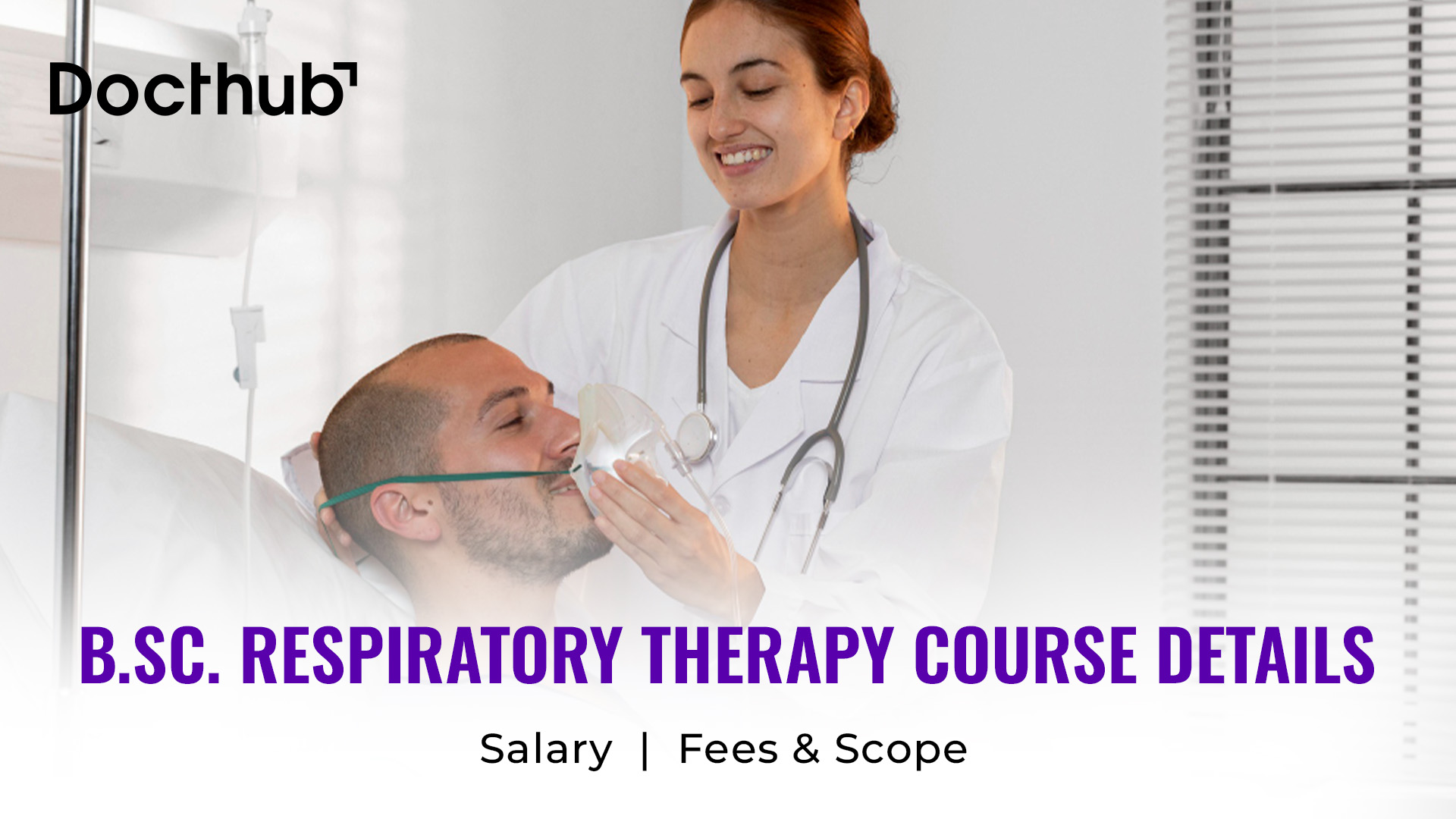
Picking a healthcare career is tough, you know, with all the options out there that promise steady work and decent money plus something meaningful. Lately, the B.Sc. in Respiratory Therapy has been gaining attention, and it makes sense because breathing issues are increasingly prevalent. The program is all about respiratory care, which means handling stuff like preventing and treating disorders that affect how people breathe. I think it’s a big deal in medicine today, especially with more cases of respiratory illnesses and the need for critical care.
What is this Course All About?
B. Sc in Respiratory Therapy is an undergraduate course that trains students to accompany doctors, pulmonologists, and critical care teams in helping patients who have difficulty breathing. The respiratory therapist will be taking care of a patient who undergoes an attack because of asthma, a newborn baby needing ventilation, and an ICU patient post-surgery recovering from it.
The course gets specific, not like those broad paramedical ones. You learn things like how to manage airways, use ventilators, do oxygen therapy, help with pulmonary rehab, and run diagnostic tests. Those skills really can make a difference in saving lives. And they mix in classroom stuff with actual clinical time, so by the end, students feel more ready for real jobs.
Who Can Pursue & Why It Matters Today
Anyone who cares about helping patients in healthcare could go for it, as long as they are not set on doing MBBS. If you like biology or physiology, or even medical tech, it probably fits well and keeps you interested. It feels rewarding too.
Why pursue it?
Because the need is real.
Respiratory healthcare demand has grown rapidly due to:
- Increasing pollution and asthma rates
- Seasonal respiratory infections
- Rise in ICU & emergency care needs
- Awareness about pulmonary rehabilitation
- COVID-19 and post-COVID complications
With hospitals expanding critical care units and advanced ventilation setups, professionals trained through a B.Sc. respiratory therapy degree have become vital. They are not behind the scenes—they’re frontline contributors.
B Sc Respiratory Therapy Eligibility
The B Sc Respiratory Therapy eligibility criteria are straightforward:
- Completion of 12th with Physics, Chemistry, and Biology
- English as a required subject
- At least 50% aggregate marks
- Minimum age of 17 years
Some colleges admit students based on merit, while others conduct entrance exams or consider state-level paramedical entrance results.
Because the program involves direct patient interaction, communication skills, empathy, and emotional resilience are valuable traits.
B.Sc. Respiratory Therapy Course Duration
The B.Sc. respiratory therapy course duration is generally four years, broken down as:
- 3 years of classroom learning
- 1 year of compulsory internship
This internship helps students experience real-world scenarios—from ventilator management to emergency ward duties. Some colleges integrate clinical postings throughout the degree, making students more familiar with hospital environments.
Subjects & Syllabus Overview
The B.Sc. respiratory therapy syllabus is a mix of:
Foundational Sciences
- Anatomy
- Physiology
- Biochemistry
Specialised Respiratory Modules
- Pulmonology
- Ventilator management
- Airway care
- Cardiopulmonary diagnostics
- Pharmacology related to respiratory therapy
Advanced Learning
- Critical care
- Emergency procedures
- Neonatal and pediatric respiratory care
Clinical Training
- ICU exposure
- Emergency department rotations
- Rehab Centre Duties
The syllabus is structured so students evolve from understanding human biology to confidently managing life-support systems
B.Sc Respiratory Therapy Colleges & Course Fee
Below is a general idea of popular B Sc Respiratory Therapy colleges in India, along with approximate respiratory therapy course fee ranges:
- AIIMS and government colleges — very affordable fees
- Private medical universities — moderate to higher fee brackets
- Specialised health science institutes — premium but advanced infrastructure
On average, fees can range between ₹50,000 to ₹8,00,000, depending on the college.
The fee often includes tuition, lab access, and clinical training costs.
When shortlisting colleges, students should check:
- Clinical tie-ups
- Hospital facilities
- Internship support
- Placement record
- Faculty expertise
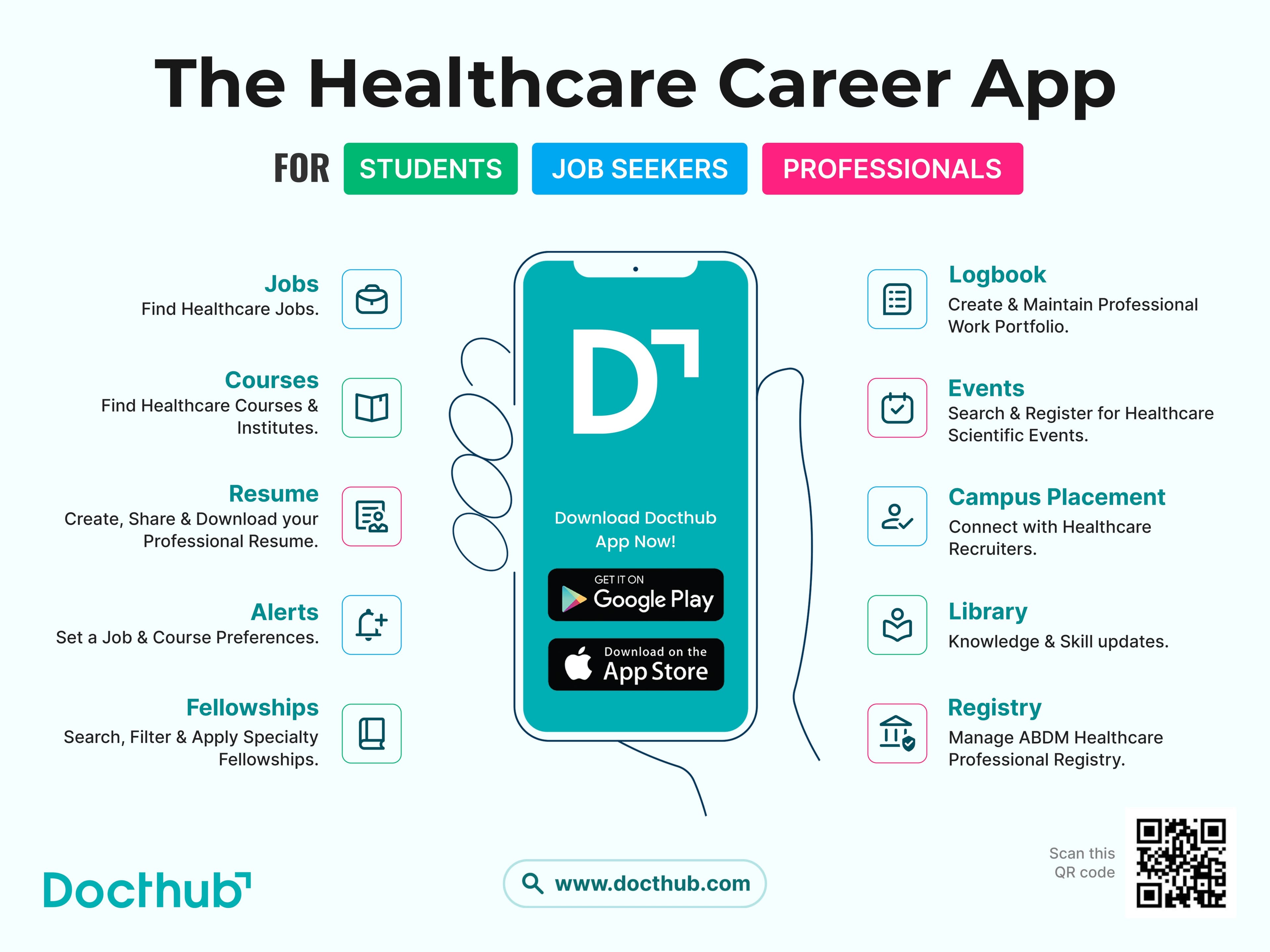
Some platforms like Docthub list paramedical and allied healthcare colleges offering B.Sc. Respiratory Therapy helps students compare programs, eligibility, and fees before applying.
Job Opportunities & Career Scope
Jobs for B.Sc. Respiratory Therapy grads are out there, and the demand is pretty urgent. You could be a respiratory therapist in a hospital, or handle ICU and emergency cases, maybe work as a pulmonary function technologist testing lungs. There is neonatal stuff for babies, or home care with ventilators, sleep labs, and rehabilitation. Some people end up with equipment companies as specialists, or in research, teaching later on, or admin roles after some years.
Scope in India & Abroad
In India:
- Multi-speciality hospitals
- Cardiac & pulmonary centers
- Diagnostic labs
- Rehab centers
Abroad:
- Middle East
- Canada
- UK
- Australia
Offer excellent salaries and easy career mobility for trained respiratory therapists.
The pandemic highlighted the importance of respiratory care professionals, leading to higher recruitment and better recognition for this field.
B Sc Respiratory Therapy Salary Expectations
The B Sc Respiratory Therapy salary depends on where you are, your experience, and what kind of hospital. Freshers might get around 2.5 to 4 LPA in India. With experience, it goes up to 5 to 8 LPA. Seniors or those abroad can hit 10 LPA or more. Government spots or big private ones add extras like allowances and growth chances. Since the skills are so niche, pay rises steadily, faster than some other health jobs, maybe.
Because respiratory therapy skills are niche and essential, salary growth is steady and often quicker than in many other allied health professions.
Higher Studies After B.Sc. Respiratory Therapy
After the B.Sc., you can keep studying:
- M.Sc Respiratory Therapy
- M.Sc Critical Care
- PG Diploma in Pulmonology
- MBA in Hospital Administration
- PhD in respiratory sciences
Higher qualifications open pathways to academia, research, and senior clinical roles.
Why Choose This Career?
It impacts patients directly, job security is strong, demand everywhere in India and abroad, different settings to work in, a salary that grows stable, and it feels good emotionally. For students skipping the medical entrance hassle, it’s a practical way into a respected field.
FAQs
Q1. What is B.Sc. Respiratory Therapy?
A. It’s an undergrad degree in diagnosing and treating breathing and heart-lung problems, with training in care techniques.
Q2. Where can a B.Sc. respiratory therapist work?
A. They can work in Hospitals, ICUs, emergencies, pulmonary clinics, rehab, labs, and home care.
Q3. What are the primary roles of a Respiratory Therapist?
A. Primary roles involve managing ventilators, oxygen, airways, testing lungs, watching critical patients, and helping docs in crises
Q4. What subjects are taught in B.Sc. Respiratory Therapy?
A. Subjects cover anatomy, physiology, biochemistry, pulmonary diagnostics, critical care, ventilators, pharmacology, and internships.
Q5. Which entrance exams are required for B.Sc. Respiratory Therapy?
A. For entrance, some colleges use merit, others their own exams or state paramedical scores. It seems like that varies by place, and I am not totally sure on every detail, but it gets you in if you qualify.